

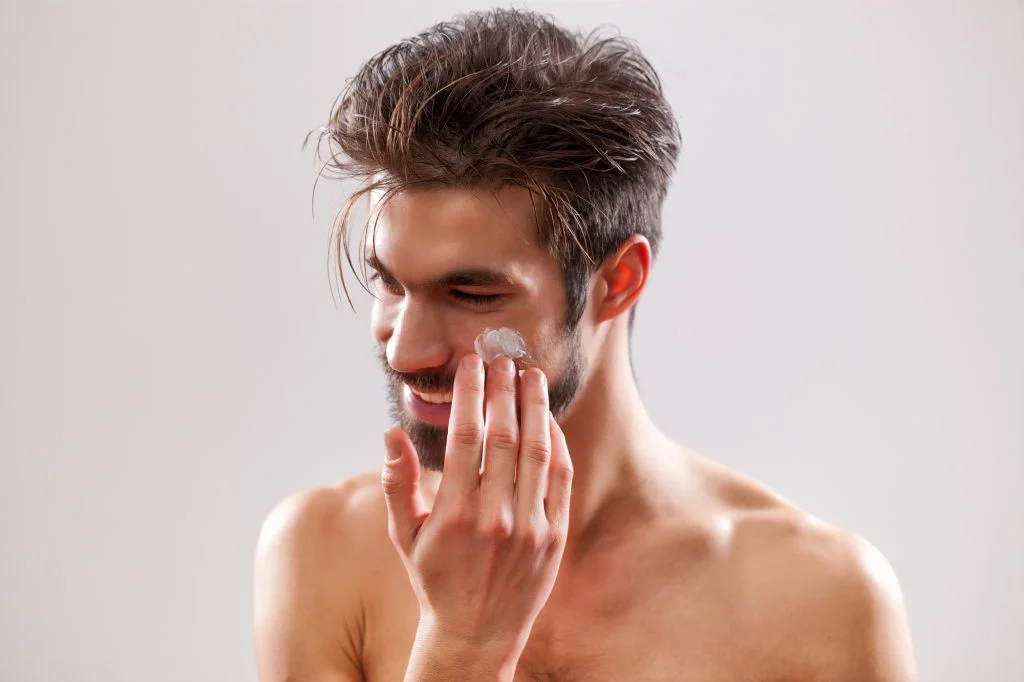
Your skin texture is rough, bumpy, or just generally not smooth like those filtered Instagram photos that still somehow make you feel terrible about your own face. The good news is that specific ingredients genuinely improve texture when used consistently. Bad news is results take weeks, not days, so you’ll need actual patience.
1. Retinoids Speed Everything Up
Retinoids are vitamin A derivatives that basically tell your skin cells to hurry up and turn over faster, pushing rough, damaged cells to the surface and replacing them with newer, smoother ones. This is probably the most researched ingredient for improving texture that exists.
Start with lower concentrations, a few nights per week, because retinoids will irritate your skin initially. Your face might get red and flaky for several weeks. This is completely normal and temporary, not a sign you’re allergic or dying. Push through the annoying adjustment phase, and your texture will improve noticeably within a couple of months. Any Korean skin care blog worth reading mentions retinoids constantly because they actually work when people stick with them long enough.
2. Chemical Exfoliants Dissolve Dead Skin Without Scrubbing
Although physical scrubs give the impression that they are doing something, they are actually rather abrasive and can cause skin damage. The connections holding dead skin cells on your face are broken by chemical exfoliants like AHAs and BHAs without the harsh scouring that might result in microscopic tears.
AHAs improve overall brightness and texture by working on the surface. BHAs aid with textural problems caused by congestion and blackheads by penetrating pores. Use these a few times weekly, depending on what your skin can handle. More definitely isn’t better with acids. Overusing them just irritates your skin without any extra benefits to show for it.
3. Niacinamide Helps Multiple Things At Once
Niacinamide is just vitamin B3, but it hits texture issues from several angles at once. It builds up the skin barrier so moisture stays in better. It keeps oil production from going haywire. It calms down inflammation that makes the texture worse. This multi-front attack helps with everything from general bumpiness to pores that look like they could swallow small objects.
Best part about niacinamide? It doesn’t throw a tantrum when mixed with other skincare products. Morning and evening application works fine without the angry red irritation that retinoids or acids sometimes cause. The sweet spot sits around 5-10% concentration for most skin types. Going higher doesn’t necessarily improve results and might just annoy sensitive skin pointlessly.
4. Peptides Tell Your Skin To Make More Collagen
Peptides are short amino acid chains that essentially text your skin cells saying “make more collagen, please.” Additional collagen means firmer surface and smoother overall texture after several weeks pass. Expecting magical overnight changes leads to disappointment. These ingredients work steadily but require patience and regular application.
Formulas with multiple peptide varieties outperform products using just one type. Each peptide triggers specific cellular actions, so having several working together produces better outcomes. Another peptide advantage? Zero conflict with other active ingredients. No rearranging the entire skincare lineup or stressing about whether retinol and peptides will fight each other. They cooperate without creating problems.
Conclusion
It takes months of regular ingredient use, not fast cures, to achieve better skin texture. Retinoids accelerate the turnover of cells, exposing more youthful skin beneath. Dead surface cells are eliminated by chemical exfoliants without the force of manual scrapes.
Peptides stimulate collagen creation for improvements that build over time.
Stay in touch to get more updates & news on Hoseasons!
 Dmitri