

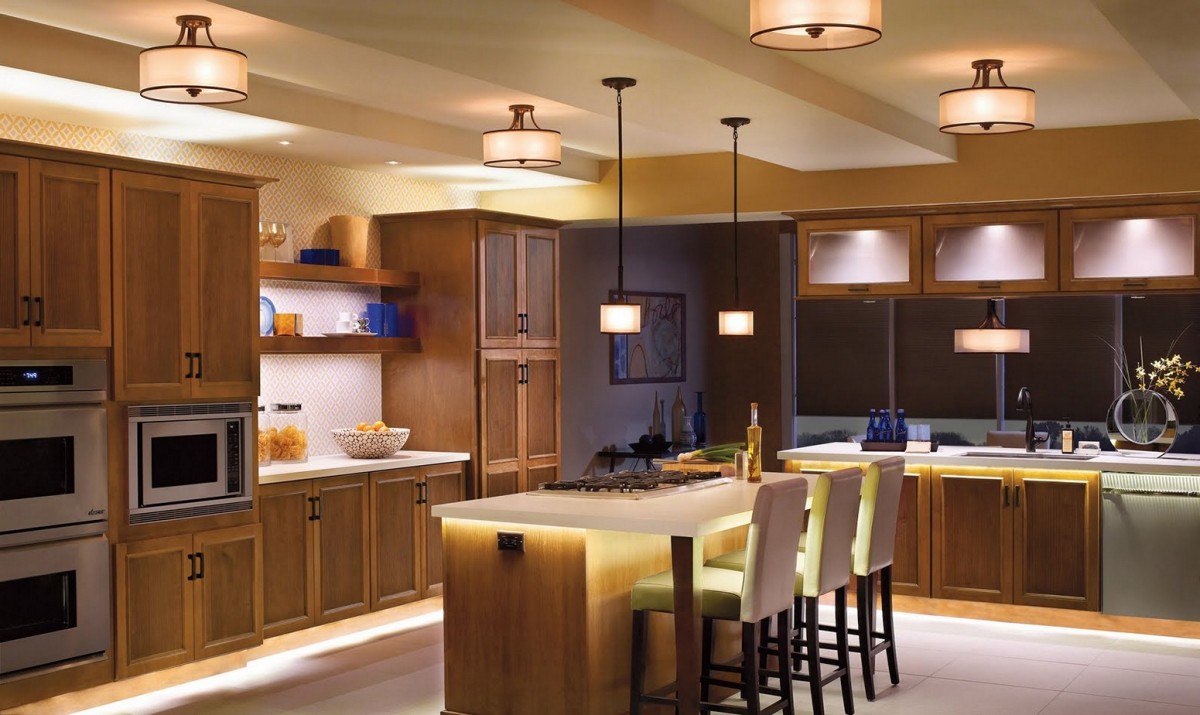
Lighting is one of the most important elements in a kitchen because it affects both how the space looks and how well it functions. A well-lit kitchen not only feels more welcoming but also makes cooking, cleaning, and organizing much easier. When we combine the right types of lighting with thoughtful placement, we can create a kitchen that is both practical and visually appealing without needing major changes.
Understand the Three Layers of Kitchen Lighting
Before choosing fixtures, it’s helpful to understand that kitchen lighting works best when layered. We usually think in terms of three main types: ambient, task, and accent lighting.
Ambient lighting provides overall illumination and ensures the entire kitchen is evenly lit. Task lighting focuses on specific work areas like countertops, sinks, and stoves where we need clear visibility. Accent lighting adds style and highlights certain features, such as cabinets or decor elements. When we combine these three layers, the kitchen becomes both functional and aesthetically balanced.
Use Bright and Even Ambient Lighting
Ambient lighting is the foundation of any kitchen lighting setup. It should be bright enough to illuminate the entire space without creating harsh shadows.
Ceiling-mounted fixtures such as flush mounts, recessed lights, or LED panels are commonly used for this purpose. Recessed lighting is especially popular in modern kitchens because it provides a clean and minimal look while distributing light evenly. Choosing energy-efficient LED bulbs also helps reduce electricity costs while maintaining brightness.
Add Under-Cabinet Lighting for Work Areas
Under-cabinet lighting is one of the most practical upgrades we can make in a kitchen. It directly lights up countertops, making tasks like chopping vegetables or reading recipes much easier.
LED strip lights or small puck lights are often installed underneath cabinets to eliminate shadows caused by overhead lighting. This type of lighting improves visibility and also adds a subtle modern touch to the kitchen. It’s especially useful in kitchens where cabinets block natural light from windows.
Install Pendant Lights for Style and Focus
Pendant lights are a great way to combine functionality with style. They are typically installed above kitchen islands, dining counters, or breakfast bars.
These lights not only provide focused illumination but also act as decorative elements that enhance the overall design of the kitchen. We can choose from a variety of styles, such as minimalist metal pendants, glass shades, or more artistic designs, depending on the kitchen theme. Proper spacing and height are important to ensure the lights don’t obstruct views or movement.
Use Task Lighting for Key Work Zones
Task lighting is essential in areas where precision is required. Without proper task lighting, cooking and food preparation can become difficult and unsafe.
We can place focused lights above the stove, sink, and preparation counters. Adjustable spotlights or directional recessed lights work well for this purpose. The goal is to ensure that every workspace is well-lit so we can perform tasks comfortably and efficiently.
Incorporate Natural Light Whenever Possible
Natural light is one of the most valuable lighting sources in any kitchen. It creates a fresh and open atmosphere while reducing the need for artificial lighting during the day.
We should try to maximize natural light by keeping windows unobstructed with heavy curtains. Instead, using light-filtering blinds or sheer curtains allows sunlight to enter while still maintaining privacy. Positioning work areas near windows can also help make the most of daylight.
Highlight Features with Accent Lighting
Accent lighting is used to highlight specific areas or design elements in the kitchen. It adds depth and visual interest to the overall space.
We can use LED strips inside glass cabinets to showcase dishware or install lights under floating shelves for a subtle glow. Accent lighting can also be used to highlight backsplash textures or decorative elements. While not essential for functionality, it enhances the overall ambiance of the kitchen.
Choose the Right Color Temperature
The color temperature of lighting affects how the kitchen looks and feels. Warm light creates a cozy and inviting atmosphere, while cool white light gives a brighter and more modern appearance.
For kitchens, a balanced white light is often preferred because it provides clarity without feeling too harsh. Mixing different color temperatures can also be effective, such as using cooler tones for task areas and warmer tones for ambient or accent lighting. This combination creates a comfortable and visually appealing environment.
Use Dimmers for Flexibility
Installing dimmer switches allows us to adjust the brightness of kitchen lights based on the time of day or activity. This adds flexibility and helps create the right mood when needed.
For example, brighter lighting is useful during cooking or cleaning, while softer lighting works well for dining or relaxing. Dimmers also help save energy by reducing unnecessary light usage. This small addition can significantly improve the overall lighting experience in the kitchen.
Focus on Energy-Efficient Options
Modern lighting solutions like LED bulbs are energy-efficient and long-lasting. They consume less electricity and require less frequent replacement compared to traditional bulbs.
Choosing LED fixtures for ambient, task, and accent lighting helps reduce long-term costs while maintaining high-quality illumination. Many LED options also come with adjustable brightness and color temperature settings, making them even more versatile for kitchen use.
Keep Lighting Design Balanced and Uncluttered
While it’s tempting to add multiple lighting fixtures, it’s important to maintain balance. Too many lights can create a cluttered look, while too few can leave areas poorly lit.
We should aim for a clean and organized lighting layout that complements the kitchen design. Proper spacing, alignment, and fixture selection all contribute to a cohesive and well-lit space. A balanced approach ensures both functionality and visual harmony.
Conclusion
Kitchen lighting plays a key role in creating a space that is both practical and stylish. By combining ambient, task, and accent lighting, we can achieve a well-balanced setup that enhances visibility and improves the overall atmosphere. From under-cabinet lights and pendant fixtures to natural light and dimmer controls, each element contributes to a more efficient and inviting kitchen. With the right lighting choices, we can transform our kitchen into a space that is comfortable to work in and pleasant to spend time in every day.