

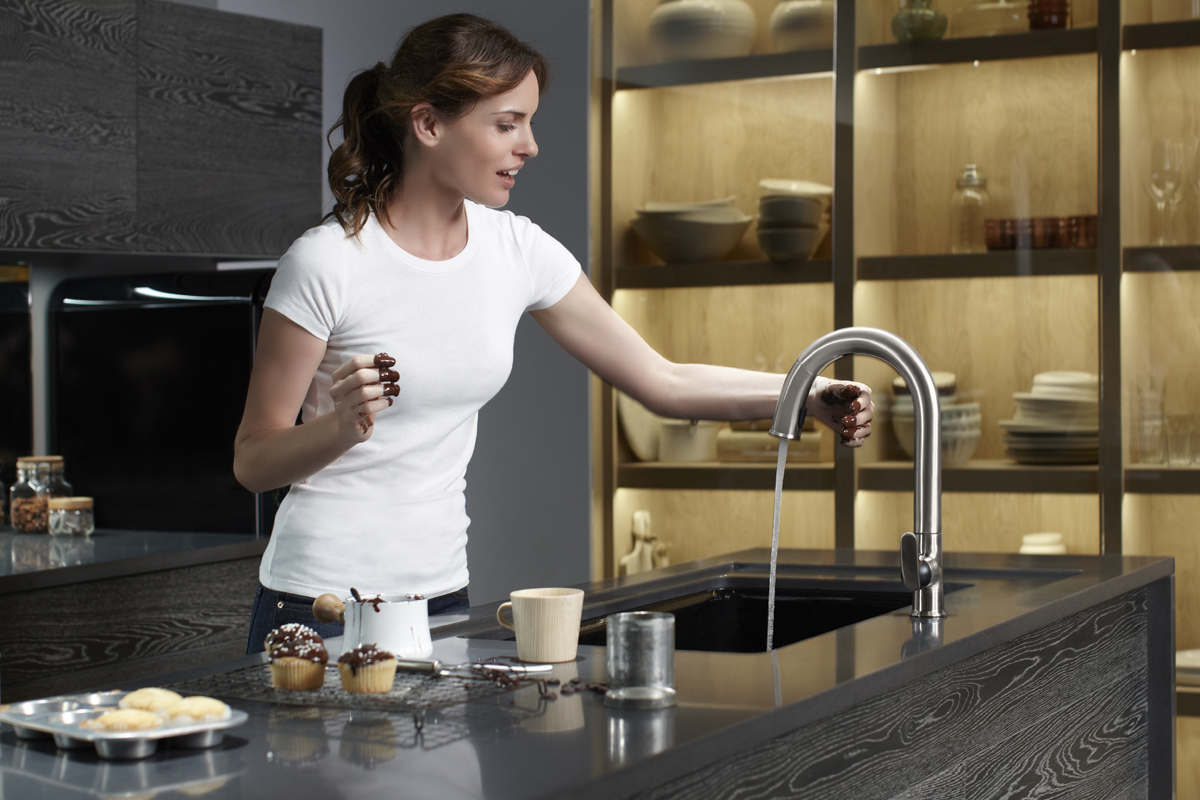
A well-organized kitchen is not just about looks—it directly impacts how efficiently we cook, clean, and move around the space. Professional chefs rely on structured systems to save time and avoid stress during cooking, and we can apply the same principles at home without needing a commercial kitchen setup.
With a few practical habits and smart organization techniques, we can turn our kitchen into a highly functional space that feels intuitive, clean, and easy to work in.
Understand the Flow of Your Kitchen
Professional kitchens are designed around workflow. Ingredients, tools, and cooking zones are arranged in a way that minimizes unnecessary movement. We can apply the same idea at home by dividing our kitchen into simple zones.
Typically, a kitchen can be organized into:
- Preparation area
- Cooking area
- Cleaning area
- Storage area
By keeping items related to each zone close to where they are used, we reduce the time spent walking back and forth. For example, keeping knives and cutting boards near the prep area makes chopping ingredients faster and more efficient.
Keep Frequently Used Items Within Reach
Chefs always place their most-used tools in easy-to-reach spots. This principle is known as “mise en place,” which means everything in its place.
We can apply this by:
- Storing daily-use utensils in a countertop holder
- Keeping spices near the stove
- Placing commonly used pans and pots in lower cabinets or hanging racks
When essential items are accessible, cooking becomes smoother and less time-consuming. We avoid opening multiple drawers or searching through cabinets repeatedly.
Use Clear Containers for Ingredients
Professional kitchens often use clear containers to store ingredients so everything is visible at a glance. This approach not only looks neat but also helps us keep track of what we have.
We can:
- Store dry goods like rice, pasta, and flour in transparent jars
- Label each container for quick identification
- Arrange items by category for easier access
Clear containers reduce confusion and make it easier to maintain inventory, so we don’t overbuy or run out of essentials unexpectedly.
Organize Spices Efficiently
Spices are essential in cooking, but they can easily become disorganized. Professional kitchens keep spices well-arranged so chefs can quickly find what they need.
We can organize spices by:
- Alphabetical order
- Frequency of use
- Cuisine type
Using a spice rack, drawer organizer, or wall-mounted shelf helps keep them visible and accessible. Labeling jars also ensures we don’t waste time searching during cooking.
Maintain a Clean and Empty Workspace
One of the key habits of professional chefs is keeping their workspace clean and uncluttered at all times. A clear counter allows for better focus and smoother preparation.
We should:
- Clear countertops before starting to cook
- Keep only essential tools on the counter
- Clean as we go to avoid buildup
A tidy workspace not only improves efficiency but also enhances safety by reducing the chances of accidents or spills.
Use Drawer Dividers for Tools
Drawers can quickly become messy if utensils are stored without organization. Drawer dividers help us categorize and separate items neatly.
We can:
- Group similar items like spoons, forks, and knives
- Separate cooking tools from baking tools
- Use adjustable dividers for flexibility
This makes it easier to find what we need without digging through cluttered drawers.
Store Items Based on Usage Frequency
Professional chefs organize their tools based on how often they use them. The same principle works well in home kitchens.
We can:
- Place frequently used items in easy-to-reach areas
- Store occasional-use tools in higher or less accessible cabinets
- Keep seasonal or special equipment in deeper storage
This approach ensures that the most important items are always within reach while less-used items don’t interfere with daily activities.
Optimize Fridge Organization
A well-organized refrigerator is essential for maintaining freshness and avoiding food waste. Chefs follow a structured system to store ingredients properly.
We can:
- Store raw meats separately from ready-to-eat foods
- Use containers to avoid spills and contamination
- Place older items in front so they are used first
- Keep similar items grouped together
This system helps us manage food more effectively and reduces the chances of items getting lost or forgotten.
Label Everything Clearly
Labeling is a simple but powerful habit that improves kitchen organization. It ensures that everyone in the household knows where things belong.
We can label:
- Storage containers
- Pantry shelves
- Spice jars
- Fridge items
Clear labeling reduces confusion and keeps the kitchen organized over time, especially in busy households.
Keep Tools Clean and Ready
Professional chefs always keep their tools clean and ready for use. Clean utensils not only improve hygiene but also make cooking more efficient.
We should:
- Wash tools immediately after use
- Dry and store them properly
- Keep sharp tools like knives safely organized
Maintaining clean tools prevents buildup and ensures everything is ready when needed.
Create a Simple Cleaning Routine
A professional kitchen is cleaned continuously rather than all at once. This habit keeps the workspace manageable and hygienic.
We can:
- Wipe surfaces after each cooking session
- Wash dishes or load the dishwasher immediately
- Empty trash regularly
- Do a quick reset of the kitchen at the end of the day
A consistent routine prevents clutter from building up and keeps the kitchen in a ready-to-use condition.
Use Vertical Storage for Efficiency
Vertical storage helps maximize space while keeping items visible and accessible. Professional kitchens often use wall-mounted racks and shelving to achieve this.
We can:
- Hang pots, pans, and utensils on wall hooks
- Use wall shelves for frequently used items
- Install magnetic strips for knives
This approach frees up cabinet and counter space while keeping tools within easy reach.
Group Similar Items Together
Grouping similar items is a key principle in professional organization. It reduces confusion and improves workflow.
We can organize:
- Baking items in one area
- Cooking tools in another
- Snacks and pantry items together
This makes it easier to locate items quickly and keeps the kitchen structured and logical.
Final Thoughts
Organizing a kitchen like a professional chef doesn’t require expensive equipment or major changes. It’s about developing smart habits, maintaining consistency, and arranging items in a way that supports efficient movement and easy access.
By creating functional zones, keeping essentials within reach, using clear containers, and maintaining cleanliness, we can build a kitchen that feels organized and efficient every day. With these simple practices, cooking becomes more enjoyable, less stressful, and far more productive.