

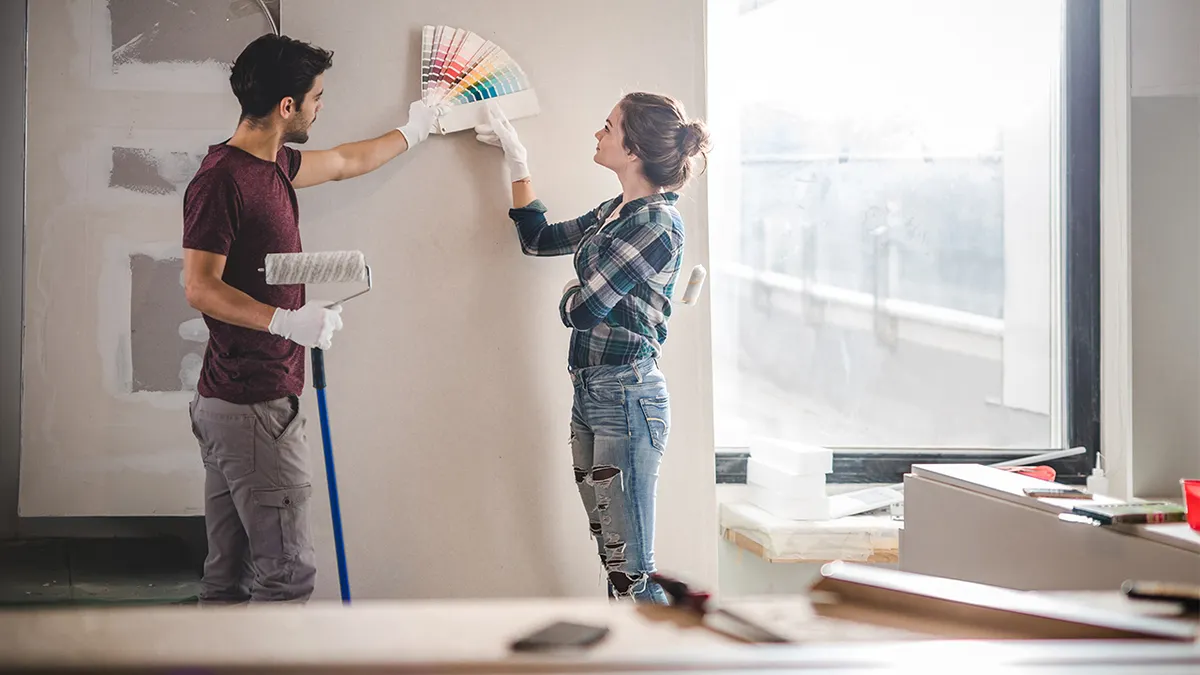
Purchasing a home is one of life’s most significant milestones. Whether it’s your first property or your third, stepping into a new house comes with a mix of excitement and responsibility. While moving in and setting up your furniture is thrilling, true homeownership requires attention to maintenance, upgrades, and improvements. The right approach not only enhances the beauty and comfort of your home but also protects your investment and even boosts its value over time. Here are essential home improvement tips every new homeowner should know.
1. Start with a Thorough Inspection
Even if you purchased a newly built or recently renovated home, it’s wise to conduct a thorough inspection. This means checking the structural elements, plumbing, electrical systems, HVAC units, and roofing. Some issues may not be immediately visible, but early detection can prevent costly repairs later.
- Electrical System: Ensure outlets, switches, and circuit breakers are in good condition. Faulty wiring can be a major safety hazard.
- Plumbing: Look for leaks, slow drains, and water pressure issues. Water damage can lead to mold and structural damage.
- Roof and Foundation: Check for cracks, leaks, and signs of wear. These are expensive to repair, so early maintenance is crucial.
Hiring a professional inspector is often worth the investment. Their expertise can uncover hidden problems that might save you thousands in the long run.
2. Prioritize Safety and Security
A secure home is a happy home. While you may be eager to decorate and renovate, safety should be a top priority. Start with basic security and safety upgrades:
- Locks: Upgrade to high-quality locks for all doors and windows. Smart locks are also a great option for convenience and added security.
- Smoke and Carbon Monoxide Detectors: Ensure you have functioning detectors on every level of your home. Test them regularly.
- Outdoor Lighting: Motion-sensor lights around entryways deter intruders and provide safety at night.
- Home Security System: Modern systems offer cameras, alarms, and remote monitoring to keep your home secure.
Investing in safety measures not only protects your family but also adds value to your property.
3. Focus on Energy Efficiency
Energy efficiency is a practical improvement that pays off over time. Lower energy consumption reduces bills and environmental impact. There are several areas to focus on:
- Insulation: Proper insulation in the attic, walls, and floors keeps your home warm in winter and cool in summer.
- Windows and Doors: Energy-efficient windows and weather stripping prevent heat loss and improve comfort.
- Lighting: Replace incandescent bulbs with LED alternatives to save electricity.
- Smart Thermostats: These devices allow you to control your heating and cooling efficiently, reducing wasted energy.
Small energy upgrades can have a significant cumulative impact on both your utility bills and your carbon footprint.
4. Upgrade Your Kitchen and Bathrooms Strategically
Kitchens and bathrooms are often the most valuable rooms in a home when it comes to resale potential. You don’t need a full remodel to make a difference—strategic improvements can enhance functionality and style:
- Cabinetry and Hardware: Refresh cabinets with new handles, knobs, or a coat of paint.
- Countertops: Materials like quartz or granite are durable, attractive, and increase your home’s appeal.
- Lighting: Proper lighting in kitchens and bathrooms improves usability and ambiance.
- Fixtures: Replacing old faucets, showerheads, and toilets with water-efficient models saves water and money.
Even minor upgrades in these spaces can significantly boost your home’s comfort and market value.
5. Enhance Curb Appeal
First impressions matter, and the exterior of your home is the first thing people notice. Enhancing curb appeal doesn’t have to be expensive but can make a huge difference:
- Landscaping: Trim overgrown bushes, plant flowers, and maintain a healthy lawn.
- Exterior Paint: Fresh paint or touch-ups on siding, doors, and trim can dramatically improve appearance.
- Entryway Improvements: A new front door, welcome mat, or outdoor seating creates a welcoming entrance.
- Driveways and Walkways: Repair cracks and consider power washing to restore the clean look.
Curb appeal not only improves your home’s aesthetics but also increases its perceived value.
6. Organize and Declutter
A clean, organized home is not only more enjoyable to live in but also easier to maintain. Start with decluttering and creating functional storage solutions:
- Closets and Cabinets: Use organizers, bins, and shelves to maximize space.
- Garage: Install racks and hooks to keep tools and seasonal items organized.
- Living Spaces: Reduce unnecessary items and maintain a minimalist approach to prevent clutter from taking over.
A well-organized home feels more spacious and comfortable while reducing stress in daily life.
7. Incorporate Smart Home Technology
Technology can make your home more efficient, comfortable, and convenient. You don’t need to go full automation from day one—start small and expand gradually:
- Smart Lighting: Control lights remotely or schedule them to match your lifestyle.
- Smart Thermostats: Optimize heating and cooling for efficiency and comfort.
- Home Assistants: Devices like smart speakers can control multiple home functions.
- Security Cameras and Doorbells: Monitor activity around your home and receive real-time alerts.
Smart technology increases convenience and can even enhance your home’s long-term value.
8. Maintain a Regular Maintenance Schedule
Prevention is always better than cure. Regular home maintenance protects your investment and ensures your home remains safe and comfortable. Key areas include:
- Seasonal Inspections: Check roofing, gutters, and HVAC systems before extreme weather seasons.
- Appliances: Clean filters, inspect cords, and schedule service for major appliances.
- Pest Control: Regular inspections prevent infestations that can cause serious damage.
- Exterior Upkeep: Clean siding, inspect paint, and repair small cracks before they worsen.
A proactive maintenance routine saves money and prevents stress in the long run.
9. Personalize Your Space
A home should reflect your personality and lifestyle. Once functional improvements are in place, focus on personalization to make your space feel uniquely yours:
- Paint and Wallpaper: Choose colors that suit your taste and mood.
- Decor: Add art, rugs, and personal items that create warmth and character.
- Furniture Arrangement: Optimize layout for comfort and traffic flow.
- Greenery: Indoor plants improve air quality and add natural beauty.
Personal touches make a house feel like a home, enhancing your emotional connection and daily enjoyment.
10. Plan for Future Upgrades
Even if you’re focused on immediate improvements, it’s smart to plan for future upgrades. Think long-term about how your needs may evolve:
- Expandable Storage: Consider future closet or attic expansions.
- Energy Upgrades: Solar panels or larger insulation projects may be worth installing later.
- Outdoor Spaces: Patios, decks, and gardens can be added gradually as your budget allows.
- Room Conversion: Basements, attics, or spare rooms could be adapted for growing families or work-from-home needs.
Planning ahead ensures your home can adapt to changes in lifestyle or family size without major disruptions.
Conclusion
Owning a home is both rewarding and challenging. By focusing on safety, efficiency, functionality, and personalization, you can transform your new house into a comfortable, valuable, and well-maintained home. Start with essential inspections and safety upgrades, invest in energy efficiency and strategic renovations, and maintain a proactive upkeep schedule. Adding your personal touch and planning for future improvements ensures your home evolves alongside your lifestyle.
With these tips, new homeowners can confidently tackle improvements while protecting their investment and creating a space that truly feels like home. The journey of homeownership may be filled with ongoing projects, but the payoff—a beautiful, functional, and secure home—is well worth the effort.