

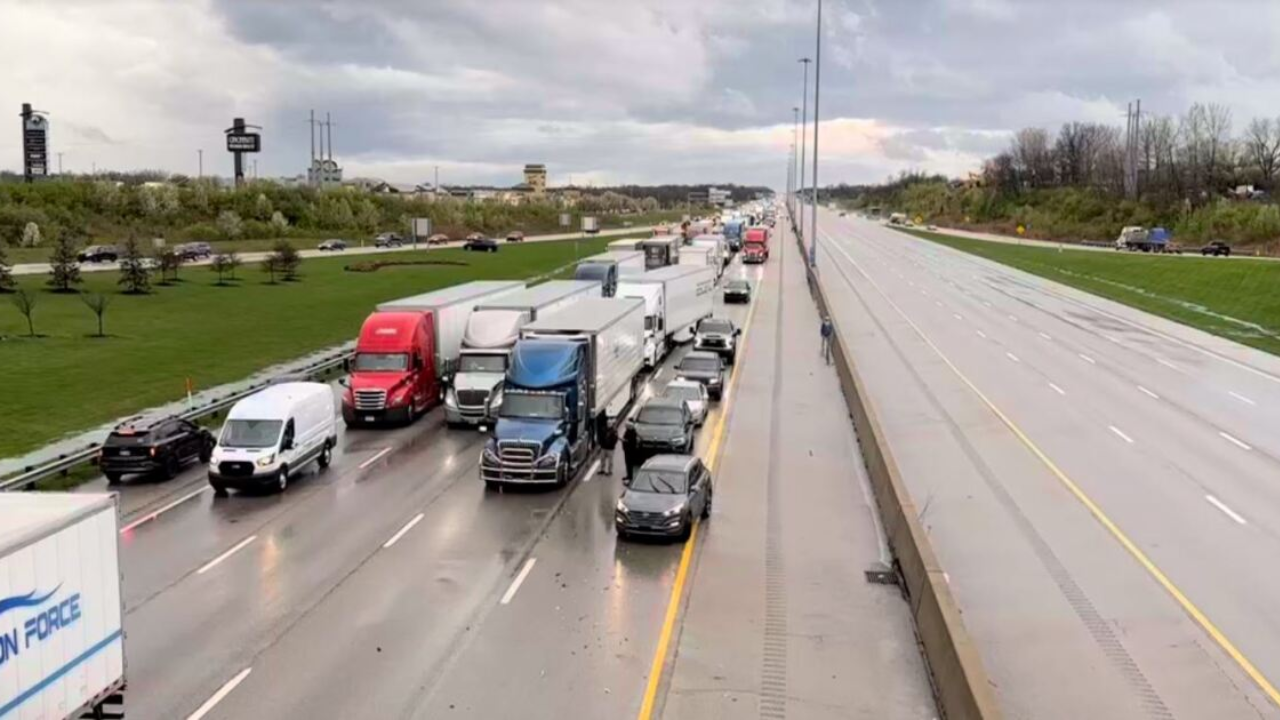
When we hear the phrase i 75 power line shutdown, it usually catches attention fast. I-75 is one of the busiest highways, and anything connected to it—especially power lines—can affect daily life, travel, businesses, and entire communities. Power line shutdowns near or along I-75 are not just technical events. They’re real-world situations that touch commuters, truck drivers, nearby residents, emergency services, and local economies.
In this article, we’re breaking down everything in a simple, human way. No heavy technical talk, no overcomplication. We’ll explain what an i 75 power line shutdown really is, why it happens, how it impacts us, and how we can prepare and respond better when it does. This is main-site content, so we’ll speak in a “we” tone, keeping it practical, clear, and relatable.
Quick Info About i 75 power line shutdown
An i 75 power line shutdown refers to a planned or unplanned interruption of electrical power caused by maintenance, damage, safety concerns, or emergencies involving power lines that run alongside, above, or near Interstate 75. These shutdowns can be short or long, localized or widespread, and may also affect traffic flow and nearby infrastructure.
Why Power Lines Run Along I-75
Before we talk about shutdowns, it helps to understand why power lines are even near a highway like I-75.
Highways are long, continuous corridors that connect cities and regions. Utility companies often use these corridors because:
- The land is already cleared and maintained
- Access for repairs is easier
- Power lines can efficiently serve nearby towns, rest stops, industries, and service areas
- Transmission routes can follow predictable paths
So when something goes wrong with these power lines, it’s not just a utility issue—it becomes a transportation and public safety concern too.
Common Reasons Behind an i 75 power line shutdown
Power line shutdowns don’t happen randomly. There’s almost always a clear reason behind them. Let’s look at the most common ones.
Routine Maintenance and Upgrades
Sometimes, shutdowns are planned well in advance. Utilities may temporarily cut power to:
- Replace aging power lines
- Upgrade equipment to handle higher demand
- Improve safety systems
- Install new transmission infrastructure
These shutdowns are usually scheduled during low-usage hours, but even then, they can still cause inconvenience.
Storm Damage and Extreme Weather
Weather is one of the biggest causes of unplanned i 75 power line shutdowns. Heavy rain, strong winds, lightning, snow, or ice can:
- Knock down poles
- Damage transmission lines
- Cause short circuits
- Create dangerous conditions that require immediate shutdown
When power lines are damaged near a major highway, safety becomes the top priority.
Vehicle Accidents Involving Power Infrastructure
Large trucks, construction vehicles, or even regular cars can hit power poles or line supports near I-75. One accident can:
- Cut electricity to thousands of people
- Force road closures or lane restrictions
- Delay emergency response and repairs
These incidents are sudden and often take time to fully resolve.
Construction and Road Expansion Projects
I-75 is constantly evolving. Widening projects, bridge repairs, and interchanges sometimes require power lines to be moved, elevated, or temporarily shut down. These shutdowns are usually coordinated but still disruptive.
Fire Risk and Safety Shutdowns
In certain conditions, especially during dry seasons, utilities may shut down power lines to reduce fire risk. While this is more common in rural or forested areas, it can still affect sections of I-75.
How an i 75 power line shutdown Affects Us
The impact of a power line shutdown goes far beyond lights going out. Let’s look at how it touches different parts of daily life.
Traffic Disruptions and Safety Issues
Power lines and traffic systems are closely linked. During a shutdown:
- Traffic lights may stop working
- Electronic signs can go dark
- Road cameras and sensors may fail
This can lead to congestion, confusion, and higher accident risk, especially during peak hours.
Impact on Nearby Communities
Homes, businesses, gas stations, hotels, and restaurants near I-75 depend on consistent power. A shutdown can mean:
- Closed stores
- Lost income
- Spoiled food
- Interrupted communication
For small businesses, even a few hours without power can be costly.
Effect on Travelers and Truckers
I-75 is a major freight and travel route. Power outages can affect:
- Fuel availability at rest stops
- Charging stations for electric vehicles
- Lodging options
- Navigation and communication systems
For long-haul drivers, these disruptions can throw off schedules and deliveries.
Emergency Services and Public Safety
Police, fire departments, and medical services rely on electricity for coordination and response. Backup systems help, but extended shutdowns still create challenges.
Planned vs Unplanned Shutdowns
Not all i 75 power line shutdowns are the same. Understanding the difference helps us respond better.
Planned Shutdowns
These are announced ahead of time and usually involve:
- Maintenance
- Upgrades
- Construction coordination
Utilities often notify local authorities and communities in advance, allowing people to prepare.
Unplanned Shutdowns
These happen suddenly due to:
- Accidents
- Storms
- Equipment failure
They’re more stressful because there’s little warning, and restoration times can be uncertain.
How Long Does an i 75 power line shutdown Last?
There’s no single answer. Duration depends on:
- The type of damage
- Weather conditions
- Accessibility of the site
- Availability of repair crews
Some shutdowns last minutes or hours. Others can stretch into days if major infrastructure is damaged.
How Utilities Decide to Shut Down Power
Power isn’t cut lightly. Utilities follow strict safety protocols. A shutdown may be triggered when:
- Lines are unstable or damaged
- Workers need a safe environment for repairs
- There’s a risk to drivers or nearby residents
The goal is always to prevent bigger disasters, even if the short-term inconvenience is frustrating.
What We Can Do During an i 75 power line shutdown
While we can’t control shutdowns, we can control how prepared we are.
Stay Informed
We should:
- Monitor local updates
- Pay attention to road signage
- Follow traffic advisories
Even basic awareness helps reduce stress and confusion.
Plan Alternate Routes
If traffic signals or lanes are affected, knowing backup routes saves time and fuel.
Prepare for Short-Term Power Loss
For those living or working near I-75:
- Keep flashlights and power banks ready
- Have basic emergency supplies
- Protect sensitive electronics
Preparation turns disruption into a manageable situation.
Drive Carefully in Affected Areas
When signals are out, intersections become more dangerous. Slowing down and staying alert makes a big difference.
Long-Term Solutions to Reduce Shutdown Impact
Utilities and transportation authorities are always working to improve systems. Some long-term efforts include:
Modernizing Power Infrastructure
Newer materials and smarter systems:
- Detect problems faster
- Reduce failure rates
- Allow quicker restoration
Underground Power Lines in Critical Areas
While expensive, underground lines are less vulnerable to weather and accidents.
Better Coordination Between Utilities and Transportation Agencies
When everyone communicates clearly, shutdowns can be shorter and less disruptive.
Backup Power for Traffic Systems
Solar-powered or battery-backed traffic lights and signs can keep roads safer during outages.
Why i 75 power line shutdowns Get So Much Attention
I-75 isn’t just any road. It’s a backbone of regional and national travel. A problem here feels bigger because:
- So many people use it daily
- It connects major cities and industries
- Delays ripple far beyond the immediate area
That’s why even a localized power issue near I-75 can become a major talking point.
Myths and Misunderstandings
There are a few common misconceptions worth clearing up.
“Shutdowns Are Always Avoidable”
Not true. Some situations demand immediate action to prevent injury or damage.
“Utilities Don’t Care About the Impact”
In reality, utilities face pressure to restore power quickly while keeping workers and the public safe.
“It’s Just About Electricity”
Power line shutdowns affect traffic, safety, communication, and commerce. They’re multi-layered events.
The Human Side of an i 75 power line shutdown
Behind every shutdown are real people:
- Line workers repairing equipment, often in dangerous conditions
- Families adjusting plans
- Businesses trying to stay afloat
- Drivers just trying to get home
Understanding this human side helps reduce frustration and builds patience.
What the Future Looks Like
As demand for electricity grows and transportation systems become smarter, the relationship between highways like I-75 and power infrastructure will only deepen.
We can expect:
- Smarter grids that self-diagnose issues
- Faster response times
- More resilient systems designed to minimize shutdowns
While shutdowns may never disappear completely, their impact can be reduced.
Final Thoughts on i 75 power line shutdown
An i 75 power line shutdown is more than a technical problem. It’s a reminder of how connected our systems are. Roads, power, communication, and daily life all intersect in ways we don’t always notice—until something goes wrong.
By understanding why shutdowns happen, how they affect us, and what we can do to prepare, we move from frustration to awareness. We stay safer, calmer, and better informed. And when the lights come back on and traffic flows again, we appreciate just how much coordination it takes to keep everything running.
This is our shared infrastructure, our shared challenge, and ultimately, our shared responsibility to navigate it wisely.
 Blitz
Blitz