

Home improvement doesn’t always require a large budget, expensive tools, or professional contractors. In many cases, a few clever DIY hacks can make your home more functional, attractive, and comfortable while saving you time and money. Whether you’re renovating a single room or maintaining your entire house, learning practical home improvement tricks can help you complete projects more efficiently and achieve professional-looking results.
DIY home improvement has become increasingly popular because it gives homeowners complete control over their living spaces. Instead of waiting for contractors or spending thousands on simple upgrades, you can handle many improvements yourself with the right knowledge and preparation.
This guide explores some of the most effective home improvement hacks every DIY enthusiast should know. These tips cover planning, painting, storage, organization, maintenance, decorating, and energy-saving improvements that make a noticeable difference in your home.
Plan Before You Begin
Every successful DIY project starts with proper planning. Rushing into a renovation often leads to mistakes, wasted materials, and unnecessary expenses.
Before starting any project:
- Measure everything twice.
- Create a realistic budget.
- Make a list of required tools.
- Purchase extra materials when necessary.
- Watch tutorials for unfamiliar techniques.
- Allow extra time for unexpected challenges.
Good planning helps avoid frustration and ensures better results.
Keep a Basic DIY Tool Kit
Every homeowner should own a reliable collection of essential tools.
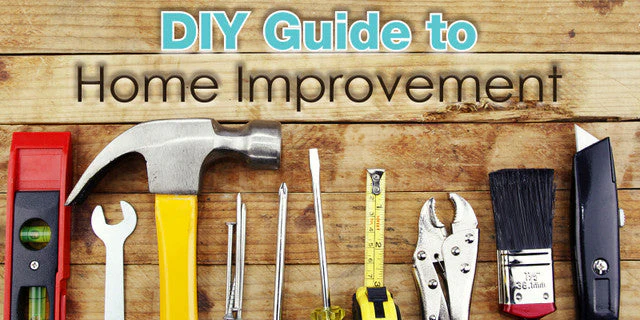
Your basic toolkit should include:
- Tape measure
- Hammer
- Screwdriver set
- Cordless drill
- Adjustable wrench
- Utility knife
- Level
- Pliers
- Stud finder
- Safety glasses
- Work gloves
Buying quality tools once often costs less than replacing cheap ones repeatedly.
Label Everything
One simple hack that saves countless hours is labeling.
Label:
- Paint cans
- Storage bins
- Electrical breakers
- Hardware containers
- Spare screws
- Wall colors
Keeping everything organized makes future repairs and renovations much easier.
Use Painter’s Tape Creatively
Most people only use painter’s tape to protect trim while painting, but it has many additional uses.
Painter’s tape can help:
- Mark drilling locations
- Create geometric wall designs
- Hold screws during installation
- Prevent wood splintering while cutting
- Label furniture during assembly
It is one of the most versatile supplies in any DIY workspace.
Prevent Paint Messes
Painting is one of the easiest ways to refresh a home, but cleanup can be frustrating.
Helpful painting hacks include:
- Wrap your paint tray with aluminum foil.
- Cover rollers with plastic wrap during short breaks.
- Store brushes in airtight bags overnight.
- Use rubber bands across paint cans to remove excess paint from brushes.
- Remove outlet covers before painting instead of painting around them.
These tricks save time and reduce waste.
Fill Nail Holes Easily
Tiny nail holes can make walls look neglected.
Instead of buying expensive fillers for small repairs, you can use:
- Lightweight spackling paste
- White toothpaste for temporary fixes on white walls
- Matching crayons for wood furniture
- Wood filler for trim
After filling, lightly sand the area before repainting.
Upgrade Cabinets Without Replacing Them
Kitchen remodeling is expensive, but replacing cabinets isn’t always necessary.
Affordable upgrades include:
- Installing modern handles
- Painting cabinet doors
- Adding soft-close hinges
- Installing under-cabinet lighting
- Replacing old shelves
- Applying peel-and-stick cabinet liners
These small improvements create a completely refreshed kitchen.
Install Peel-and-Stick Backsplashes
Modern peel-and-stick backsplashes are durable, waterproof, and beginner-friendly.
Benefits include:
- No grout required
- Easy installation
- Budget-friendly
- Modern appearance
- Easy replacement
This simple project can transform kitchens and bathrooms within a single afternoon.
Improve Storage with Vertical Space
Many homes waste valuable wall space.
Consider installing:
- Floating shelves
- Wall-mounted baskets
- Pegboards
- Magnetic tool strips
- Hanging organizers
- Over-door storage racks
Using vertical storage keeps rooms organized while maximizing floor space.
Add Motion Sensor Lights
Motion sensor lighting improves convenience while saving electricity.
Popular locations include:
- Closets
- Hallways
- Garages
- Pantries
- Laundry rooms
- Outdoor pathways
Battery-powered models are easy for beginners to install.
Replace Old Caulk
Old caulk often cracks, allowing moisture to damage walls and floors.
Replacing it is inexpensive and improves the appearance of:
- Bathtubs
- Showers
- Kitchen sinks
- Windows
- Doors
Smooth new caulk with a damp finger or finishing tool for professional-looking results.
Stop Furniture Scratches
Protect hardwood and tile flooring by adding felt pads beneath furniture legs.
This inexpensive solution:
- Prevents scratches
- Reduces noise
- Makes furniture easier to move
- Extends floor lifespan
Replace worn pads every few months.
Hide Cords and Cables
Messy wires can make even a clean room look cluttered.
Easy cable management ideas include:
- Cable sleeves
- Adhesive clips
- Cord boxes
- Under-desk trays
- Wall-mounted raceways
A few minutes of cable organization dramatically improves a room’s appearance.
Install Weather Stripping
Air leaks increase heating and cooling costs.
Replacing weather stripping around doors and windows helps:
- Lower utility bills
- Improve indoor comfort
- Reduce drafts
- Keep insects outside
Most weather stripping installs with simple adhesive backing.
Upgrade Lighting Fixtures
Lighting has a huge impact on how your home feels.
Replacing outdated fixtures instantly modernizes:
- Dining rooms
- Kitchens
- Bedrooms
- Entryways
- Bathrooms
Always turn off electrical power before replacing fixtures.
Paint Interior Doors
Painting interior doors creates an updated look without major renovations.
Popular colors include:
- White
- Black
- Charcoal
- Navy
- Sage green
A fresh coat of paint can make older doors look brand new.
Use Peel-and-Stick Flooring
Modern peel-and-stick flooring offers a quick solution for worn floors.
Advantages include:
- Affordable
- Easy installation
- Water-resistant options
- Wide variety of styles
- Great for beginners
Many products realistically imitate hardwood, stone, or tile.
Install Floating Shelves
Floating shelves combine decoration and storage.
Ideal locations include:
- Living rooms
- Bedrooms
- Bathrooms
- Kitchens
- Home offices
Keep installations level by using a laser level or bubble level.
Refresh Grout
Dirty grout can make an otherwise clean bathroom appear old.
Cleaning hacks include:
- Baking soda paste
- Hydrogen peroxide
- Soft scrub brush
- Steam cleaning
After cleaning, apply grout sealer to help prevent future stains.
Upgrade Closet Organization
A better-organized closet makes daily routines easier.
Useful improvements include:
- Double hanging rods
- Shoe racks
- Shelf dividers
- Storage baskets
- Hooks
- Adjustable shelving
Even small closets benefit from thoughtful organization.
Create an Accent Wall
Instead of repainting an entire room, create one striking accent wall.
Popular materials include:
- Paint
- Wood slats
- Wallpaper
- Stone veneer
- Decorative panels
Accent walls provide visual interest without overwhelming a space.
Improve Bathroom Storage
Bathrooms often lack storage.
Simple additions include:
- Floating shelves
- Medicine cabinets
- Over-toilet shelving
- Towel hooks
- Corner shelves
- Vanity organizers
Keeping toiletries organized makes bathrooms feel larger.
Upgrade Door Hardware
Replacing outdated hardware is one of the quickest home improvements.
Consider replacing:
- Doorknobs
- Deadbolts
- Hinges
- House numbers
- Mailboxes
- Door knockers
Consistent finishes throughout the home create a polished appearance.
Seal Drafty Windows
Window insulation can significantly improve energy efficiency.
Helpful solutions include:
- Weather stripping
- Window insulation film
- Thermal curtains
- Caulking
- Foam sealant
These upgrades help maintain indoor temperatures throughout the year.
Build Simple Garage Storage
Garages often become cluttered over time.
DIY storage ideas include:
- Ceiling storage racks
- Pegboards
- Wall cabinets
- Tool organizers
- Bike hooks
- Rolling storage carts
An organized garage makes tools easier to locate and improves safety.
Maintain Gutters Regularly
Clogged gutters can lead to expensive water damage.
Regular maintenance should include:
- Removing leaves
- Checking downspouts
- Inspecting fasteners
- Repairing leaks
- Installing gutter guards
Preventive maintenance is much cheaper than structural repairs.
Replace Air Filters Frequently
Clean HVAC filters improve:
- Indoor air quality
- Heating efficiency
- Cooling performance
- Equipment lifespan
Most filters should be replaced every one to three months, depending on usage.
Add Smart Home Devices
Affordable smart technology simplifies everyday living.
Popular beginner upgrades include:
- Smart bulbs
- Smart plugs
- Video doorbells
- Smart thermostats
- Wi-Fi outlets
- Smart garage controllers
Many devices install in less than thirty minutes.
Organize Leftover Materials
After completing projects, properly store leftover supplies.
Organize:
- Paint
- Screws
- Nails
- Lumber
- Adhesives
- Electrical supplies
Keeping materials sorted saves money on future projects.
Practice Safety First
DIY improvements should always prioritize safety.
Remember to:
- Wear safety glasses.
- Use hearing protection.
- Turn off electricity before electrical work.
- Read tool instructions carefully.
- Use sturdy ladders.
- Keep workspaces clean.
- Wear dust masks when sanding.
Safe habits reduce accidents and improve project quality.
Learn Basic Home Maintenance
Routine maintenance prevents expensive repairs.
Important tasks include:
- Checking smoke detectors
- Inspecting plumbing
- Cleaning dryer vents
- Testing GFCI outlets
- Examining roofing
- Looking for water leaks
- Lubricating garage doors
Small inspections often reveal problems before they become serious.
Save Money by Reusing Materials
Many renovation materials can be reused creatively.
Examples include:
- Old wooden pallets
- Mason jars
- Cabinet doors
- Leftover tiles
- Wood scraps
- Vintage hardware
Reusing materials reduces waste while adding character to your home.
Stay Patient
Not every project will go perfectly the first time.
Experienced DIY enthusiasts continually improve their skills by:
- Learning from mistakes
- Practicing new techniques
- Researching projects beforehand
- Taking their time
- Asking questions when needed
Patience often produces better craftsmanship than rushing through a project.
Final Thoughts
Home improvement doesn’t have to be expensive or overwhelming. By mastering practical DIY hacks, you can tackle everyday repairs, enhance your home’s appearance, and increase its value without hiring professionals for every task. From organizing your tools and upgrading storage to improving energy efficiency and refreshing interior spaces, small improvements often have the biggest impact.
The key to successful DIY projects is preparation, patience, and a willingness to learn. Start with simple upgrades, build your confidence, and gradually take on more advanced projects as your skills grow. Over time, these home improvement hacks will not only save you money but also help you create a home that is more comfortable, functional, and uniquely your own.