

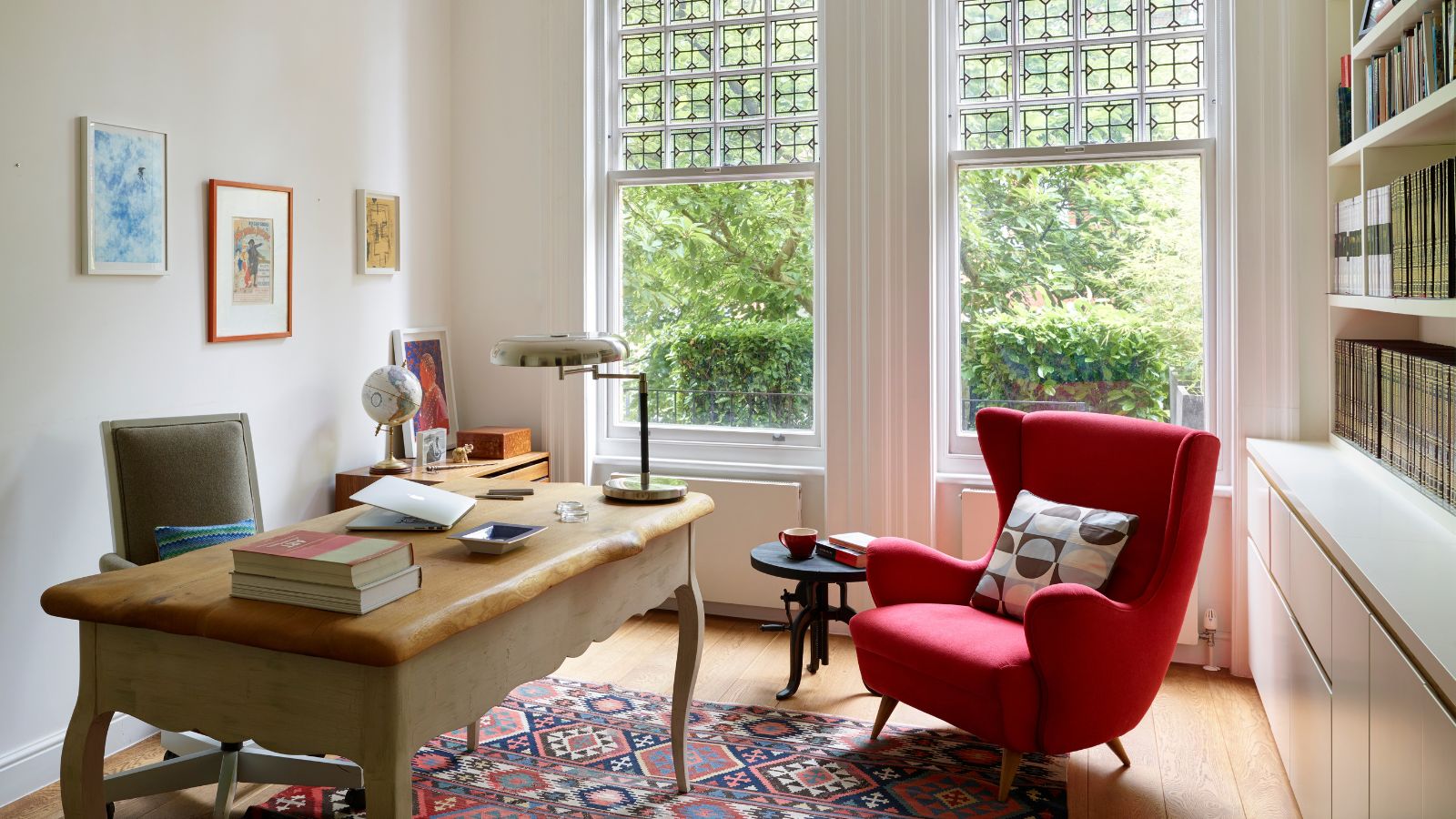
A home is more than just a place to live. It is where we relax, spend time with family, work, and create memories. For many clients, improving a home is not only about making it look better but also about increasing comfort, functionality, and value. Whether it is a small update or a complete renovation, home improvement can completely transform the way a property feels and functions.
Today, homeowners are focusing more on comfort and style than ever before. They want spaces that are practical, attractive, and modern. The right improvements can turn an ordinary home into a beautiful and cozy environment while also increasing its market value.
Understanding the essential elements of home improvement can help clients make smarter decisions. From lighting and flooring to furniture and smart technology, every detail matters when it comes to creating a comfortable and stylish home.
Understanding the Importance of Home Improvement
Home improvement is an investment that benefits homeowners in many ways. It improves the appearance of the house, enhances comfort, and makes daily life easier. A well-planned renovation can also solve common issues such as lack of space, outdated designs, poor lighting, and energy inefficiency.
Clients often look for ways to make their homes feel more inviting. This may involve upgrading living areas, modernizing kitchens, or redesigning bathrooms. These changes not only improve the quality of life but also create a space that reflects personal taste.
A comfortable and stylish home can also reduce stress. Living in a clean, organized, and attractive environment can positively impact mental well-being and overall happiness.
Creating a Functional Layout
One of the first essentials in home improvement is creating a functional layout. Many older homes have designs that no longer match modern lifestyles. Closed spaces, narrow hallways, and poor room flow can make a home feel smaller and less comfortable.
Clients should focus on improving the flow between rooms. Open floor plans have become increasingly popular because they create a spacious and connected feel. Combining the kitchen, dining, and living areas can make the home feel larger and more welcoming.
It is also important to consider how each room will be used. For example, adding a home office, study area, or reading corner can improve functionality while maintaining style.
Upgrading Lighting for Better Comfort
Lighting plays a huge role in home comfort and design. Poor lighting can make even the most beautiful room feel dull and uninviting. Good lighting improves mood, enhances visibility, and highlights key design elements.
Clients should consider layering different types of lighting. This includes ambient lighting for overall brightness, task lighting for specific activities, and accent lighting for decoration.
Natural light is equally important. Large windows, glass doors, and skylights can make a home feel brighter and more open. Maximizing sunlight can improve comfort while reducing electricity usage.
Modern lighting fixtures such as pendant lights, chandeliers, and LED strips can add both style and function to any room.
Choosing the Right Flooring
Flooring has a major impact on both comfort and aesthetics. The right flooring can change the entire feel of a home. It should be durable, comfortable, and visually appealing.
Hardwood flooring remains a popular choice because of its timeless beauty and warmth. It works well in living rooms, bedrooms, and hallways. For clients on a budget, laminate flooring offers a similar look at a lower cost.
Tiles are ideal for kitchens and bathrooms because they are easy to clean and water-resistant. Carpet remains a good option for bedrooms because it adds softness and warmth.
Choosing the right flooring material based on lifestyle, budget, and maintenance needs is essential for a successful home improvement project.
Improving Wall Design and Paint Colors
Walls are one of the most visible parts of any home. Updating wall colors and finishes can instantly improve both style and comfort.
Neutral colors like white, beige, gray, and cream are popular because they create a calm and elegant atmosphere. They also make rooms look bigger and brighter.
For clients who want a bold look, accent walls can add personality. Textured wallpapers, wooden panels, and decorative wall art can also make a space more stylish.
Fresh paint is one of the easiest and most affordable ways to upgrade a home. It gives rooms a clean and refreshed appearance without requiring major renovation.
Investing in Comfortable Furniture
Furniture is a key element in creating comfort. Stylish furniture should also be practical and comfortable for everyday use.
Clients should choose furniture based on room size and function. Oversized furniture can make small rooms feel crowded, while small furniture may look out of place in large spaces.
Comfortable sofas, ergonomic chairs, and functional tables can improve daily living. Multi-purpose furniture such as storage ottomans and foldable tables can save space while adding convenience.
The choice of fabrics, colors, and textures also affects the overall design. Soft materials and cozy cushions can make a home feel warm and inviting.
Modernizing the Kitchen
The kitchen is often considered the heart of the home. It is one of the most important areas to improve when focusing on comfort and style.
Clients can start by upgrading cabinets, countertops, and appliances. Modern kitchens often feature sleek designs, smart storage, and energy-efficient appliances.
Quartz countertops are popular because they are durable and stylish. Open shelving can make the kitchen feel more spacious and accessible.
Adding an island can improve both function and design. It creates extra workspace, storage, and seating for family and guests.
A stylish and practical kitchen can greatly improve everyday life and increase home value.
Upgrading Bathrooms for Luxury and Relaxation
Bathrooms are no longer just functional spaces. Many homeowners want them to feel like personal retreats.
Simple upgrades such as new tiles, modern sinks, and improved lighting can make a big difference. Walk-in showers, freestanding tubs, and rainfall showerheads can add a luxurious feel.
Storage is also important in bathrooms. Floating shelves and built-in cabinets help keep the space organized.
Using calming colors, natural materials, and stylish fixtures can create a relaxing atmosphere that enhances comfort.
Enhancing Storage Solutions
A clutter-free home feels more comfortable and stylish. Storage is one of the most overlooked essentials in home improvement.
Built-in shelves, under-bed storage, and wall-mounted cabinets can help maximize space. Custom closets are especially useful for bedrooms.
In small homes, creative storage solutions are essential. Furniture with hidden storage can reduce clutter while maintaining a clean design.
An organized home improves functionality and creates a more peaceful environment.
Adding Smart Home Features
Technology has become an important part of modern home improvement. Smart home features can improve comfort, convenience, and security.
Smart thermostats allow homeowners to control temperature easily, improving comfort while saving energy. Smart lighting systems let users adjust brightness and color through mobile apps.
Security systems with cameras and smart locks provide peace of mind. Voice assistants can control devices, play music, and manage daily tasks.
These upgrades make homes more efficient and attractive to modern buyers.
Improving Energy Efficiency
Comfort and style should also include energy efficiency. Reducing energy consumption saves money and makes a home more eco-friendly.
Clients can improve insulation, upgrade windows, and install energy-efficient appliances. Double-glazed windows help maintain indoor temperatures and reduce noise.
Solar panels are becoming a popular option for long-term savings. LED lighting uses less electricity and lasts longer than traditional bulbs.
Energy-efficient homes are not only cost-effective but also highly appealing in the real estate market.
Upgrading Outdoor Spaces
Outdoor areas are an extension of the home. Improving these spaces can increase comfort and style while adding more living space.
Patios, decks, and gardens provide great areas for relaxation and entertainment. Comfortable outdoor furniture, lighting, and decorative plants can create a welcoming atmosphere.
Landscaping also improves curb appeal. A well-maintained lawn, flowers, and pathways can make a strong first impression.
For clients with limited space, vertical gardens and compact seating areas can still create beautiful outdoor environments.
Personalizing the Space
A stylish home should reflect the personality of its owner. Personal touches make a home feel unique and comfortable.
This can include artwork, family photos, decorative accessories, and custom furniture. Mixing textures, colors, and materials can create depth and interest.
Clients should focus on creating spaces that match their lifestyle and preferences rather than following every trend.
Personalization adds warmth and makes a house feel like a true home.
Setting a Realistic Budget
Budget planning is an essential part of any home improvement project. Without a clear budget, costs can quickly become overwhelming.
Clients should list their priorities and focus on the most important upgrades first. It is also wise to set aside extra funds for unexpected expenses.
Comparing quotes from contractors and researching materials can help save money. Some improvements, like painting and simple decorating, can be done without professional help.
A realistic budget ensures smoother project completion and better results.
Hiring the Right Professionals
For larger renovations, hiring experienced professionals is important. Skilled contractors, interior designers, and architects can help bring ideas to life while avoiding costly mistakes.
Clients should check reviews, ask for references, and compare prices before choosing a professional.
Clear communication is also essential. Discussing goals, timelines, and budgets in advance can prevent misunderstandings.
Working with the right team can make the renovation process easier and more successful.
Final Thoughts
Home improvement is one of the best ways for clients to boost comfort and style while increasing the value of their property. From improving layouts and lighting to upgrading kitchens and bathrooms, every change can make a significant difference.
The key to successful home improvement is careful planning, smart budgeting, and focusing on both functionality and aesthetics. A beautiful home should not only look good but also feel comfortable and support everyday living.
By investing in essential upgrades such as better flooring, modern furniture, smart technology, and energy-efficient solutions, clients can create spaces that are stylish, practical, and welcoming.
In the end, home improvement is about building a space that truly feels like home. With the right choices, any property can become a perfect balance of comfort, elegance, and functionality.